Table of contents
- Tortoises: The Read on Floreana Island (Giant Tortoises)
- Getting Set Up Without Wasting a Day
- Explore the Southeast Galapagos with Galaxy Yacht Itinerary A
- Where the Best Time Goes (Tortoise)
- They: Who This Fits—and Who Will Regret It (Conservation-minded Traveler)
- Floreana Island: FAQ (The Stuff You’ll Google at 1 AM)
- How do conservation efforts for giant tortoises on Floreana differ from those on other Galapagos islands?
- What unique experiences can visitors expect while observing giant tortoises in their natural habitat?
- What should travelers consider when choosing a luxury cruise itinerary that includes Floreana Island?
- How can visitors engage with local communities during their visit to Floreana Island?
- What types of guided interpretation are available on luxury expeditions to Floreana?
Floreana Island is at the heart of an ambitious ecological restoration in the Galapagos—the first successful reintroduction of giant tortoises since their extinction on the island. This guide is for conservation-oriented travelers and logistical planners who want to witness conservation in action and understand how luxury travel operators, small group itineraries, and planning tradeoffs directly impact both experience and ecological outcomes. If you care most about seeing firsthand the impact of active conservation—especially rare opportunities like the tortoise reintroduction—choose guided expedition cruises that specifically schedule Floreana landings. The main tradeoff is between access (only select itineraries visit Floreana and even fewer include tortoise sites) versus comfort and schedule predictability (luxury cruises may mean stricter timelines and possible early-morning transfers). This guide will help you evaluate whether Floreana aligns with your physical stamina, ethical priorities, and itinerary constraints.
If your focus is close encounters with flagship species and direct contributions to ongoing restoration efforts, Floreana’s field-based experiences warrant advance planning. Those seeking relaxed exploration or fully flexible days may find the remote logistics and hands-on activities less suitable.
Key Takeaways – Floreana Island (Practical)
-
Floreana actively serves as a working restoration zone; access is typically through pre-planned luxury expedition cruises, not drop-in day-trips or ferries.
-
The giant tortoise release is one priority element within a coordinated, multi-species ecological recovery strategy.
-
Your conservation contribution is maximized by choosing cruise operators that financially support local projects and transparent restoration partners—not just “eco” labels.
-
Introduced species (invasive mammals, plants) present a real risk; heed biosecurity briefings and avoid transporting seeds or soil between islands.
-
Small-group expert naturalists are essential for contextualizing the science and stakes during field excursions, especially at tortoise habitat sites.
-
Unpredictable weather and sea conditions can force itinerary changes or wet landings—plan for flexibility and pack accordingly.
Tortoises: The Read on Floreana Island (Giant Tortoises)
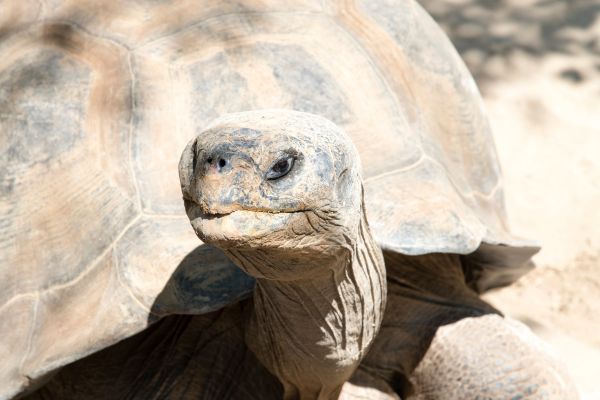
After nearly 180 years without their presence, Floreana’s landscape is being actively reshaped by the return of the Floreana giant tortoise (Chelonoidis niger niger). In a milestone achieved in February 2026, conservationists released 158 juveniles carrying unique genetic markers from original pre-extinction lineages. This was not a random release: each tortoise was selected for genetic fidelity to the extinct population, and releases take place in carefully controlled habitat corridors to optimize seed dispersal and vegetation recovery. Tortoises play a specific ecological function—targeted grazing that supports highland grassland regeneration and nutrient cycling—unlike on other islands where browsing patterns differ due to distinct topographies and species mixes.
Choosing an itinerary with a tortoise focus means committing to guided hikes (sometimes over uneven volcanic terrain) at coordinated sites where tortoises compete with remaining invasive species and, at times, require visitor restraint to avoid habitat disturbance. Tradeoff: If your priority is proximity to wildlife in a context of active restoration, tolerating some physical exertion and following strict biosecurity protocols is non-negotiable. Anchoring your experience in these specifics distinguishes Floreana from more passive wildlife viewing on other Galapagos islands, such as Espanola or Santa Cruz, which do not feature live lineage revival projects of this sort.
Getting Set Up Without Wasting a Day
Efficient Floreana travel requires advance commitment to a luxury expedition vessel itinerary that schedules berthing at Floreana, often dictated by strict park permit windows. Unlike more accessible islands, Floreana landings may require wet landings and prompt early-morning boarding to fit the park’s conservation activity schedule. If you care most about maximizing time at release zones or securing a guided walk with restoration staff, consistently prioritize small-vessel cruises with set landing slots over looser group packages, which risk missing out due to time or weather constraints.
Planning tradeoff: Floreana is best visited in the June–December dry season, with clearer skies and less muddy trail conditions. However, optimal visibility for marine life or tortoise activities may not always align—visiting in the cooler months ensures more stable hiking but can make snorkeling less appealing due to lower water temperatures. Advance booking is essential; late planners risk missing the limited slots that allow time at key wildlife restoration sites or may be forced into itineraries that bypass the island when seas are rough or quotas are exhausted.
Specific anchor: Only certain itineraries include access to tortoise enclosure areas or the Black Beach landing point—verify with your operator what wildlife or restoration sites are included, as not all stops allow disembarkation at the most ecologically relevant areas.
Explore the Southeast Galapagos with Galaxy Yacht Itinerary A
For travelers seeking an immersive yet perfectly paced Galapagos experience, Itinerary A aboard the Galaxy Yacht delivers an exceptional southeast route in just five days. This carefully designed voyage connects wildlife-rich islands, dramatic volcanic formations, and some of the most rewarding snorkeling sites in the archipelago.
From the sea lion colonies of Lobos Island to the nesting grounds of Española, each landing offers close encounters with iconic species. Floreana is a true highlight, where you can visit Post Office Bay’s historic barrel, walk along Punta Cormorant’s striking green beach, and snorkel at Devil’s Crown surrounded by vibrant marine life.
The journey concludes with a visit to the Charles Darwin Research Station, adding meaningful insight into the conservation work that protects the islands. If you are looking for a cruise that combines biodiversity, adventure, and comfort in one seamless itinerary, this southeast expedition is worth exploring in detail.
Highlights of Itinerary A
-
Snorkel at Devil’s Crown, one of the top marine sites in Galapagos
-
Observe waved albatross and blue-footed boobies at Suarez Point
-
Visit Floreana Island, including Post Office Bay and Punta Cormorant
-
Swim alongside sea lions, turtles, and colorful reef fish
-
Explore Santa Fe and South Plaza, home to land iguanas and dramatic cliffs
-
Discover conservation efforts at the Charles Darwin Research Station
Explore More Galaxy Yacht Itineraries
If this route aligns with your travel style, you may also want to review the full range of Galaxy Yacht itineraries. Each program is crafted to highlight different regions of the archipelago, offering varied wildlife encounters, snorkeling opportunities, and island combinations.
Where the Best Time Goes (Tortoise)
The structure of a time-efficient Floreana visit centers on targeted outings to restoration and release sites. Expect a blend of:
- Escorted hikes to controlled tortoise release areas, which may involve regulated group sizes and briefings on quarantine protocols due to ongoing scientific monitoring.
- Exploration of terrain features such as volcanic craters edging the highlands, where ongoing vegetation recovery is visibly tracked around tortoise grazing patterns.
- Snorkeling at specific coastal sites, often scheduled during mid-day hours when marine activity peaks, with realistic constraints when seasonal swells or currents make entry/exit physically demanding.
Each activity is intentionally sequenced to reinforce the link between restoration science and direct visitor observation—naturalists will clarify not just animal behavior but also why certain areas remain off-limits or require advance coordination. If maximizing hands-on conservation insight is your goal, prioritize the tortoise release walks and select cruises making explicit mention of Floreana’s genetic project site visits. Tradeoff: time devoted to guided interpretation may mean less unstructured beach time compared to other Galapagos stops; this is an island where field learning often takes precedence over leisure.
They: Who This Fits—and Who Will Regret It (Conservation-minded Traveler)
Floreana best matches travelers focused on long-term ecological impact—those who want to understand how science, logistics, and community efforts intersect in species recovery. If your priority is to see conservation science operationalized—witnessing tortoise monitoring, hearing from restoration teams, and moving through habitats where outcomes are actively measured—Floreana delivers on that specificity.
Conversely, travelers expecting a wide spectrum of leisure amenities or spontaneous activity choice will face real constraints: Floreana’s infrastructure is limited, and the schedule is tightly integrated with park and restoration team activities. Wet landings, early-morning transfers, and physically engaging hikes are routine. Practical tip: If you dislike planned fieldwork or find constrained itineraries frustrating, you may regret prioritizing Floreana over larger Galapagos islands with more visitor infrastructure. Adding optional visits to community sites or conservation-focused workshops can balance out the scientific focus for a richer but still rigorous travel experience.
Floreana Island: FAQ
How do conservation efforts for giant tortoises on Floreana differ from those on other Galapagos islands?
Floreana’s conservation strategy centers on restoring a lineage that was functionally extinct, using genetic screening to guide which tortoises are reintroduced and shaping habitat interventions to match their original role in the ecosystem. On other islands, tortoise programs focus more on population numbers or managing separated species—visiting Floreana exposes you to a model that prioritizes lineage authenticity and ecosystem engineering, not just population growth.
What unique experiences can visitors expect while observing giant tortoises in their natural habitat?
You can expect close-up viewing of tortoises demonstrating foundational behaviors like selective grazing and digging—actions with direct, study-verified ecological consequences. Naturalists give context to restoration experimental zones, which is not available on standard “observation” walks elsewhere in the archipelago.
What should travelers consider when choosing a luxury cruise itinerary that includes Floreana Island?
Puts weight on itineraries with explicit time at tortoise project zones, park-approved guides familiar with restoration logistics, and transparent partnerships with local conservation. Avoid operators that list Floreana but cannot confirm access to current release or monitoring sites, as this can mean you only visit peripheral beaches, not project areas.
How can visitors engage with local communities during their visit to Floreana Island?
Engage through pre-arranged tours, community-run restoration briefings, or hands-on service days tied to conservation (such as nursery planting or invasive species clearance). Supporting local crafts and food directly benefits residents participating in ongoing ecological stewardship.
What types of guided interpretation are available on luxury expeditions to Floreana?
Interpretation typically focuses on ecology, restoration science, and local history, delivered by certified naturalists and sometimes field biologists who have participated in the tortoise project. These excursions provide insights drawn from active monitoring, not just static ecosystem explanation.